
Eurofins | Urine CXCL9/10
Eurofins Urine CXCL9/10™ Non-invasive insight into your transplant’s health.
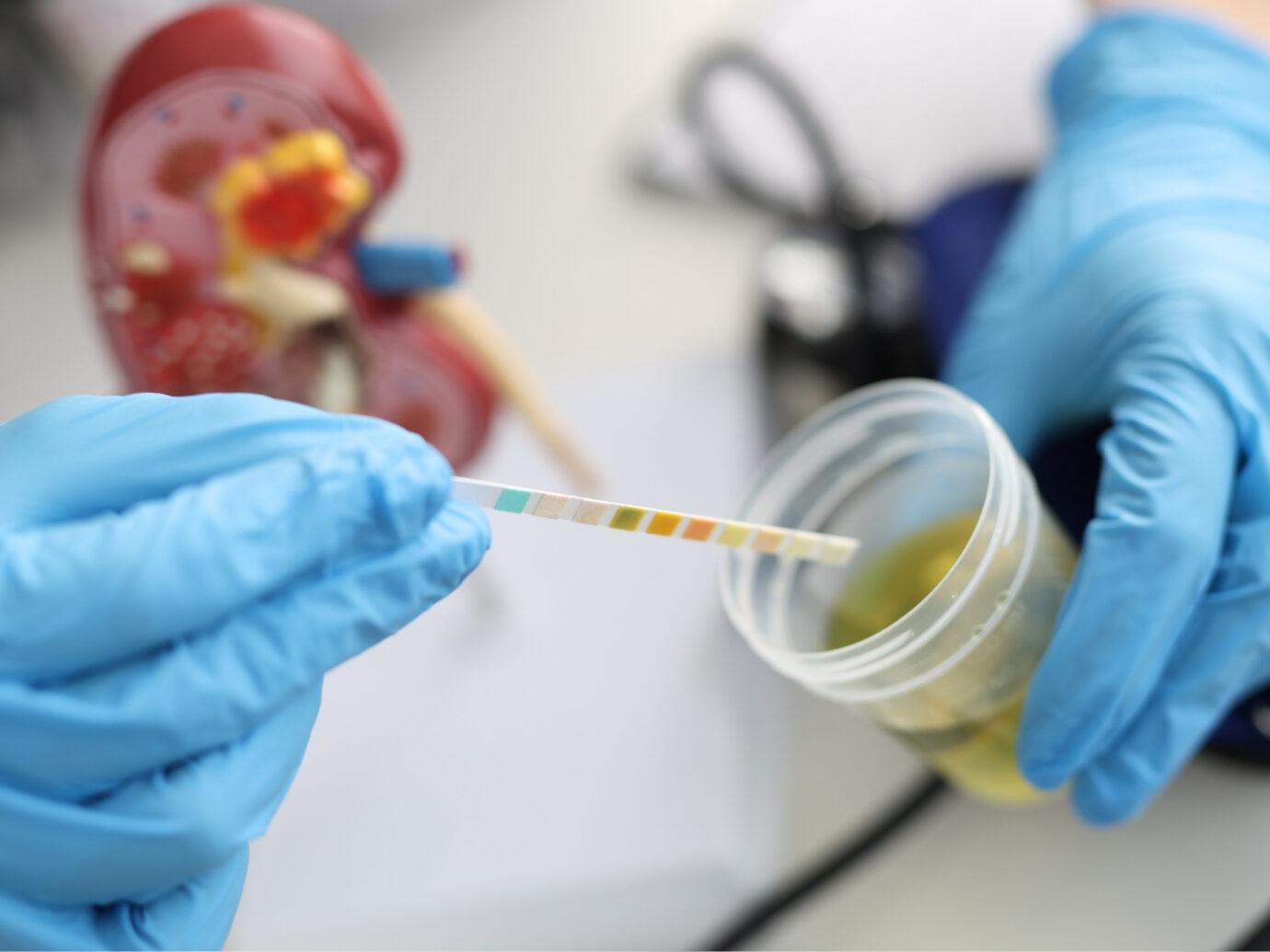
For the thousands of people living with a kidney transplant, the risk of organ rejection is a constant concern. Rejection, especially “silent” subclinical rejection, can be difficult to catch early without proper monitoring, and the traditional gold standard, a needle biopsy is invasive, carries procedural risk, and can’t be repeated often. Quantifying CXCL9 and CXCL10 in a transplant recipient’s urine offers a way to non-invasively monitor for signs of rejection using a simple urine sample.
What Are CXCL9 and CXCL10?
CXCL9 and CXCL10 are small signaling proteins called chemokines. They are released by cells in the kidney in response to interferon-gamma, and they act as a chemical “call to action” that recruits immune cells to sites of inflammation. When a transplanted kidney is being attacked by the recipient’s immune system, this chemokine signal increases — and because CXCL9 and CXCL10 are filtered into the urine, that signal can be measured non-invasively, without a blood draw or biopsy.
Eurofins Urine CXCL9/10™ quantifies both chemokines directly from a urine sample. Elevated levels have been associated with active immune activity in the graft, while low, stable levels are associated with a quiet, non-rejecting graft — giving clinicians a tool with a high negative predictive value for ruling out rejection and helping determine which patients may warrant closer follow-up or biopsy.
Because CXCL9 and CXCL10 respond to the earliest stages of immune activation in the kidney, urinary monitoring can help clinicians catch a developing problem before it progresses to significant graft injury — supporting earlier intervention and more personalized management of immunosuppression.
Contact